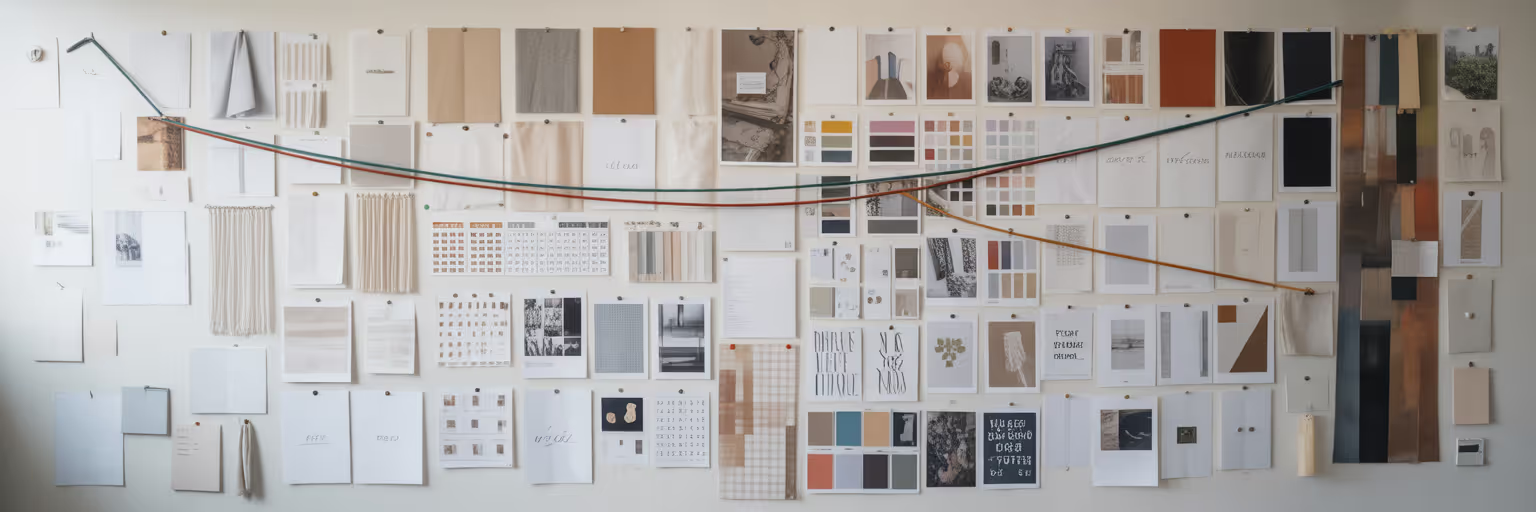
If you're a designer, you know the scene all too well. Your screen is a mosaic of browser tabs, each one a portal to a different client universe. One tab holds a moodboard for a minimalist tech startup, while the next is filled with playful illustrations for a children's brand. This constant juggling act can lead to creative fatigue, where great ideas get lost in the digital clutter. But what if this chaos wasn't a problem to be solved, but an opportunity waiting to be structured?
Ready to turn your design mess into a streamlined, searchable inspiration library? Let's explore how you can transform your workflow and keep your creative spark alive, no matter how many projects are on your plate. Start by trying Bookmarkify to see how an organized system can make a difference.
The Creative Juggle: Turning Chaos into Clarity
We’ve all been there. The mental whiplash from switching between a corporate client’s strict brand guidelines and a funky ecommerce store’s vibrant aesthetic is real. It feels like your brain has too many tabs open, and finding the right file or reference becomes a frustrating treasure hunt. This is a common pain point when balancing multiple client projects.
But here’s a different way to look at it. Each project is a unique creative challenge, and the ideas from one can unexpectedly inform another. The key is to move from a state of chaos to one of structured clarity. Instead of letting projects bleed into one another, you can build intentional systems that keep your ideas organized and your momentum high. This begins with a simple, structured habit: a source of daily inspiration for designers that fuels your work instead of draining your energy.
Build Your Project-Specific Inspiration Hubs
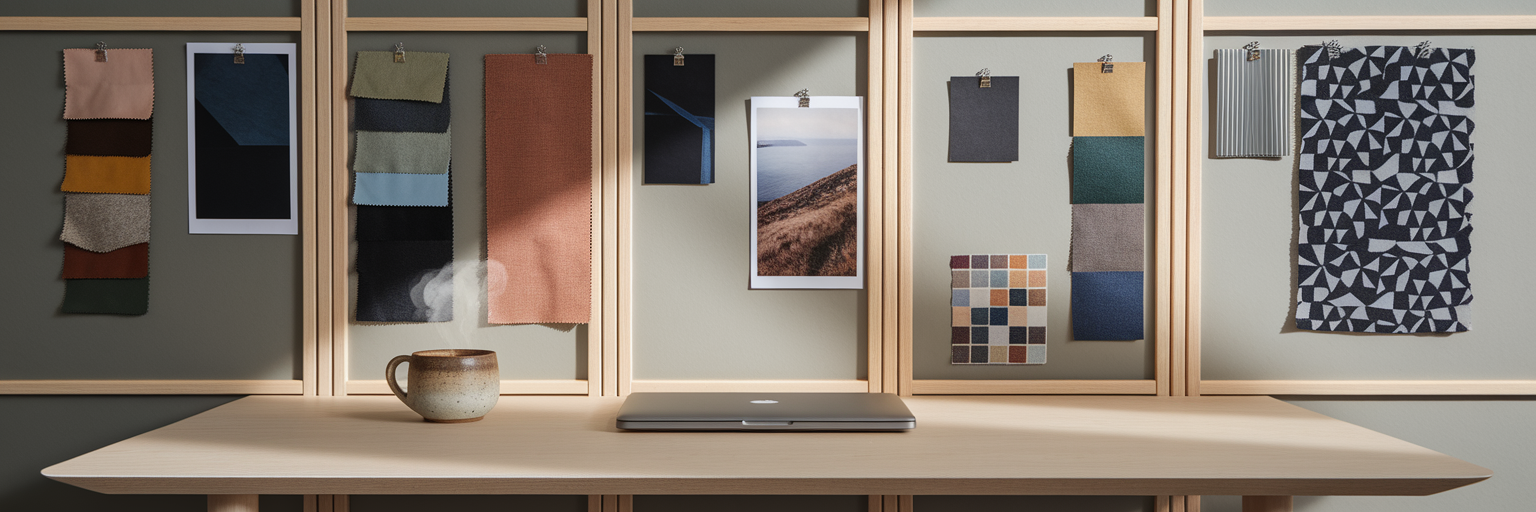
The first step to taming the chaos is to create separate "digital sandboxes" for each client. Think of it this way: you wouldn't mix paint colors for two different canvases, so why mix digital inspiration? When everything is saved to a single desktop folder or a generic bookmark list, the aesthetic of one project can unintentionally influence another. This creative bleed-through can dilute your best ideas.
The solution is to organize design inspiration in a centralized, tag-based library. Instead of scattered folders and screenshots, imagine a single, beautiful space where every website, image, and video has its place. With a dedicated tool like Bookmarkify, you can create these project-specific hubs effortlessly, ensuring your ideas remain distinct and focused. The power lies in a smart tagging system that lets you filter your inspiration with a single click.
Here’s a simple tagging structure to get you started:
- Client Name: Use a tag for each client, like 'ClientA' or 'BrandX'.
- Project Element: Categorize by design components, such as 'Typography', 'ColorPalette', or 'UI-Elements'.
- Asset Type: Specify the format, for example, 'Website', 'Article', or 'IconSet'.
This foundational organization does more than just tidy up your workspace. It reduces mental friction. When you need to work on a specific project, you can instantly filter for its dedicated hub, allowing you to get into the right creative mindset without distraction. This is one of the most effective creative workflow tips for managing a heavy workload.
Craft a Sustainable Daily Inspiration Ritual
So, how do you find time for inspiration when your calendar is already packed? The answer isn't to schedule long, overwhelming research sessions. Instead, build a small, consistent habit. We recommend a "15-minute morning inspiration" routine. It’s a short, focused burst of activity that energizes you for the day ahead.
There's a huge difference between passively scrolling through social media feeds, which often leaves you feeling drained, and actively curating from high-quality sources. To make this habit sustainable, you need a reliable source of fresh ideas. Curated feeds, like the one found in our Daily Inspiration feed, are designed for this exact purpose. They deliver pre-vetted websites, apps, and creative work, respecting your time while sparking new ideas.
As you browse, you'll inevitably find gems that don't fit any of your current projects. Don't let them go! This is where an "inspiration backlog" comes in. Simply save these finds with a generic tag like '#FutureIdeas'. This creates a personal library you can pull from whenever you feel stuck or start a new project. As an article from Creative Boom highlights, juggling multiple projects can be a source of inspiration itself by offering fresh perspectives. A well-maintained backlog is the key to capturing those sparks and learning how to stay creative long-term.
From Saved Content to Actionable Design Insights
A folder full of saved bookmarks is just potential energy. To turn that potential into powerful design work, you need to analyze what you've collected. The next time you save something, ask yourself: *why* did this catch my eye? Was it the bold font pairing, the unconventional layout, or the subtle micro-interactions? This analytical step is what separates passive collecting from active designing.
A simple workflow can transform your saved content into a powerful part of your design project management. This is where a tool that goes beyond simple bookmarking becomes invaluable. For example, with our Design Analyse feature, you can instantly deconstruct a saved website to see its fonts, colors, and assets. This turns a simple bookmark into a practical study tool.
Once you've deconstructed your inspiration, you can synthesize it into project-specific mood boards. Visual layouts, like a grid or moodboard view, help you see how different elements work together. This process also strengthens client communication. When you can articulate *why* a certain design direction works, supported by specific examples from your curated collection, you build immense trust and make your presentations more compelling.
| Step |
Action |
Tool / Technique |
| 1. Capture |
Save the website, image, or video to its project-specific hub. |
Use a browser extension like Bookmarkify for one-click saving. |
| 2. Deconstruct |
Identify the specific element that caught your eye (e.g., typography, color, layout). |
Add detailed tags ('#bold-serif', '#gradient-bg') and use a feature like 'Design Analyse' to inspect fonts and colors. |
| 3. Synthesize |
Arrange the deconstructed elements into a visual mood board for the project. |
Use a tool's moodboard or grid view to see how different pieces of inspiration interact. |
This workflow transforms passive saving into an active part of the design process, ensuring every piece of inspiration serves a purpose.
Mastering the Art of Creative Context-Switching
Switching from a playful, vibrant e-commerce brand to a serious, corporate client in the span of five minutes can give you creative whiplash. This mental friction is a major hurdle when balancing multiple client projects. But context-switching is a skill you can develop, not an unavoidable challenge.
Start by creating "mental palate cleansers." These are short, non-digital activities that reset your brain between tasks. A five-minute walk, a quick sketch in a notebook, or simply stepping away from your screen can work wonders. This mental reset becomes even more powerful when paired with a digital one. When your digital workspace is organized, you can close "Client A's" collection and open "Client B's" with a single click. This becomes a powerful ritual that signals to your brain that it's time to shift gears.
This approach aligns with the importance of time blocking. As experts at Tempo.io suggest, creating space for 100% focus is critical when managing multiple projects. An organized inspiration hub ensures these focused blocks are productive from the very first minute, providing one of the most valuable creative workflow tips you can implement.
Protect Your Creativity from Burnout
Ultimately, your creativity is a resource that needs to be protected. Juggling demanding clients and tight deadlines can lead to burnout if you don't have sustainable systems in place. Successfully balancing multiple projects is a marathon, not a sprint, and it relies on managing your energy as much as your time.
Set clear boundaries with clients and, just as importantly, with yourself. Schedule "non-work" time where you can recharge without guilt. To keep your work from becoming derivative, seek inspiration from non-digital and non-design sources. Visit a museum, pay attention to architecture on your commute, or spend time in nature. These experiences fill your creative well in ways that scrolling through design portfolios cannot.
A structured system for inspiration, workflow, and mental energy is your best defense against burnout. By organizing your digital life, you create more space for the deep, focused work that truly matters. Ready to build your own centralized inspiration library? Start with Bookmarkify's free plan to organize your first few projects and see how a structured system can transform your workflow. When you're ready for more advanced features, you can explore our options to find the perfect fit.